Erasmus and feasts of words
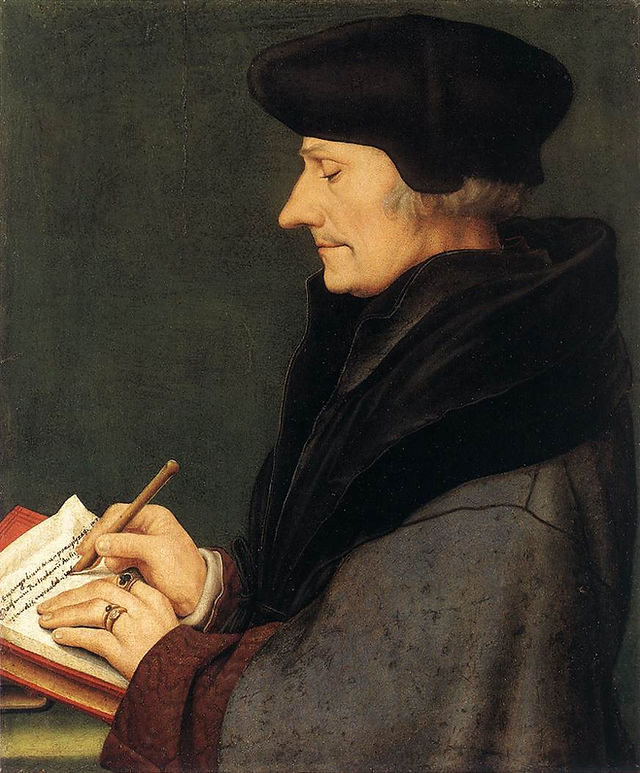
Erasmus stayed in Anderlecht from 31 May to 28 October 1523. In his celebrated Colloquies — the Convivia, published from 1518 — he imagined sumptuous feasts of words in which spiritual nourishment mattered more than the pleasures of the table.
Platina and honest pleasure
His elder contemporary Bartolomeo Sacchi, known as Platina and prefect of the Vatican Library, paid greater attention to earthly food. De honesta voluptate et valetudine contains dozens of recipes, chiefly borrowed from maestro Martino’s Libro de arte coquinaria, together with abundant dietary advice.
Printed in Rome around 1473–1475, this pioneering printed cookery book was reissued across Europe and translated into Italian, French and German. Erasmus, who travelled through France, England, Germany and Italy, could hardly have ignored it.
Jean-Louis Flandrin and Platina’s legacy
Professor Jean-Louis Flandrin, a founder of historical gastronomy at Paris VIII University, deeply admired Platina. He even used the French form of his name as a pen name for gastronomic meditations later collected in Chronique de Platine (1992).
The source of the recipes
The recipes chiefly came from the French version of De honesta voluptate, prepared under Didier Cristol and published in Lyon in 1505 as Le livre de honneste volupté et santé, also known as Platine en françois. A 2003 reprint carried a posthumous preface by Flandrin, completed by Silvano Serventi.
« What I speak of is the pleasure towards which human nature tends: temperance and measure. »
A humanist table
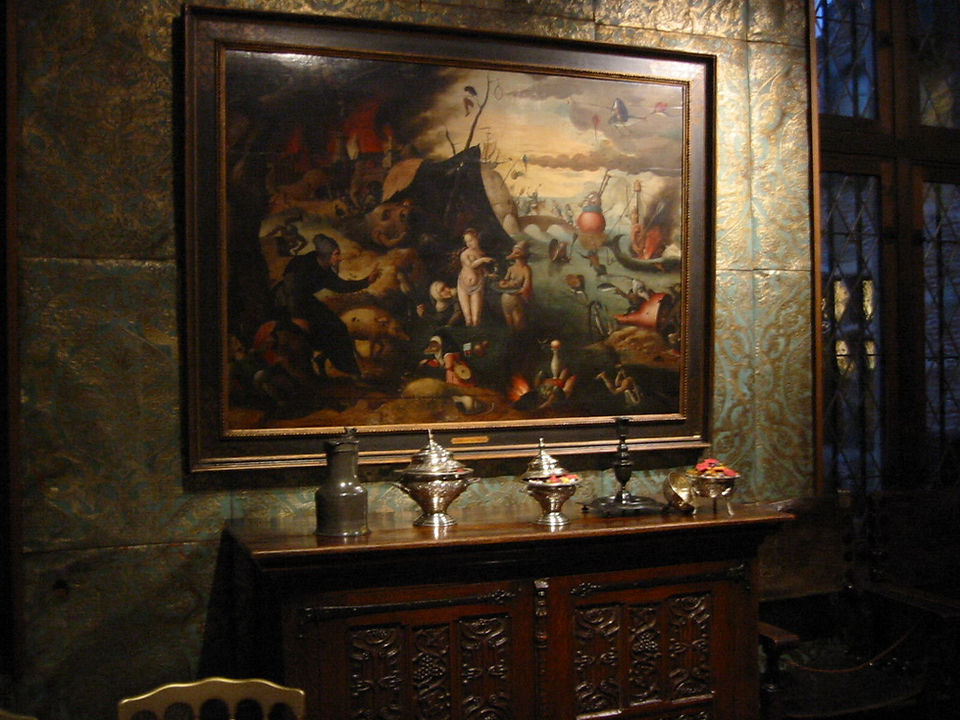
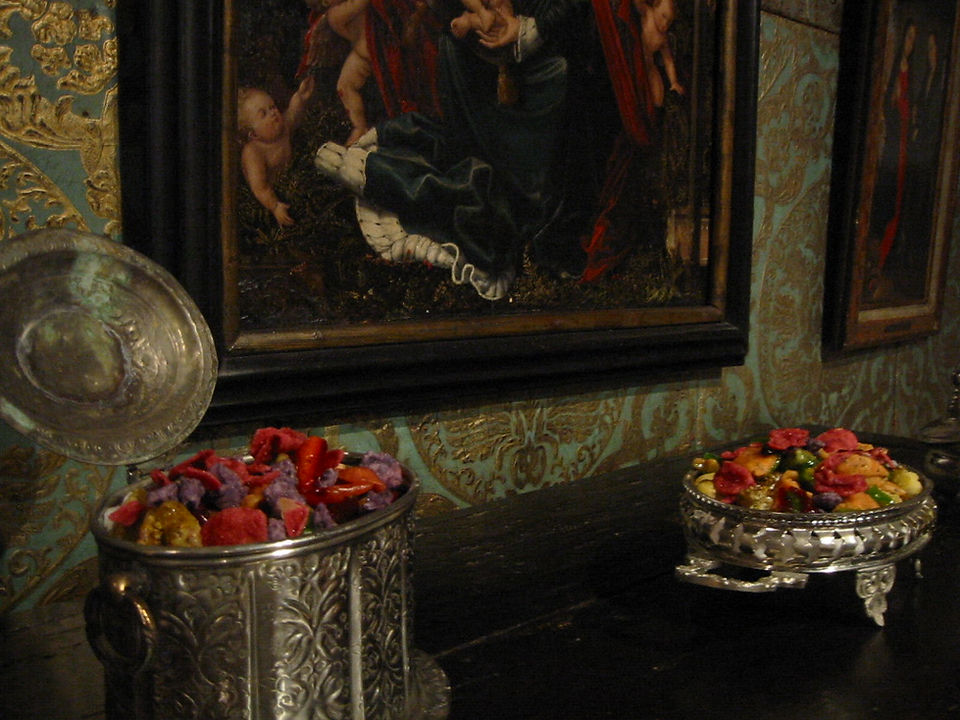
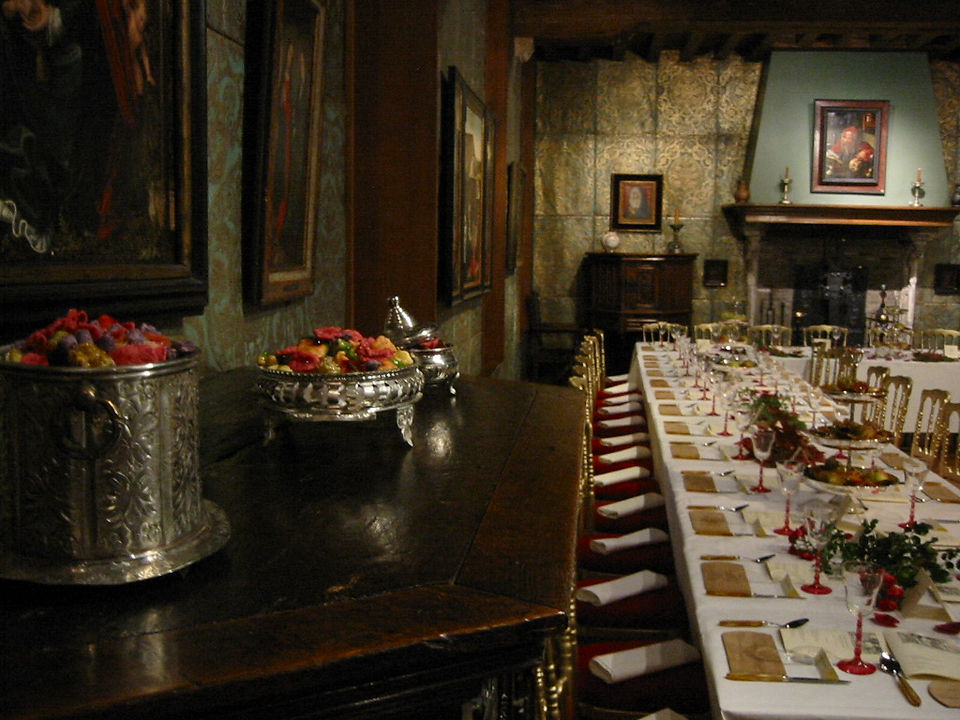
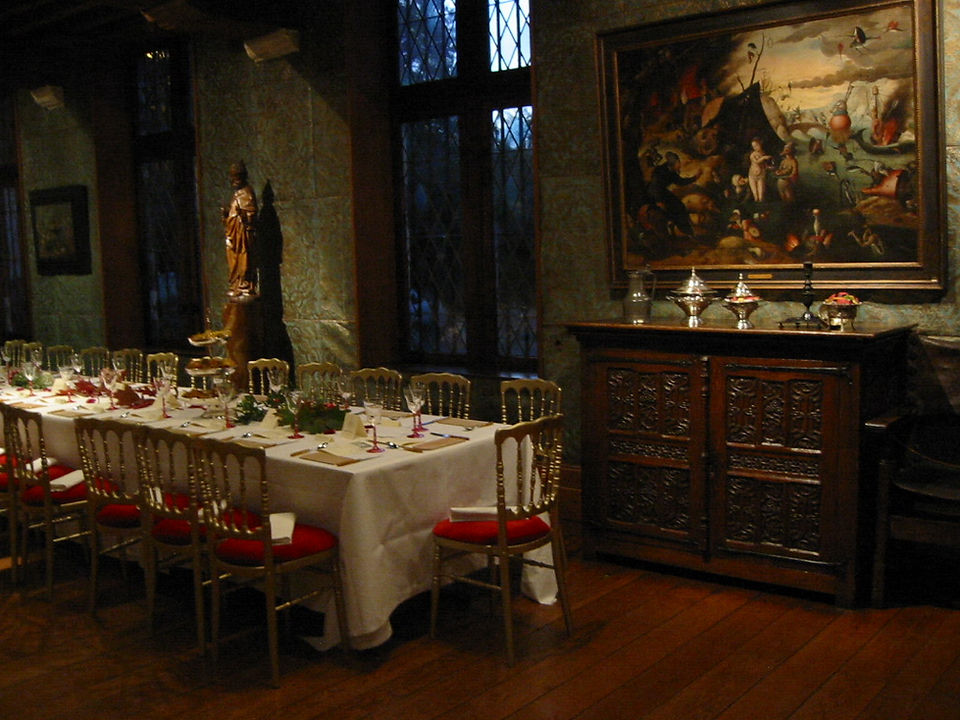
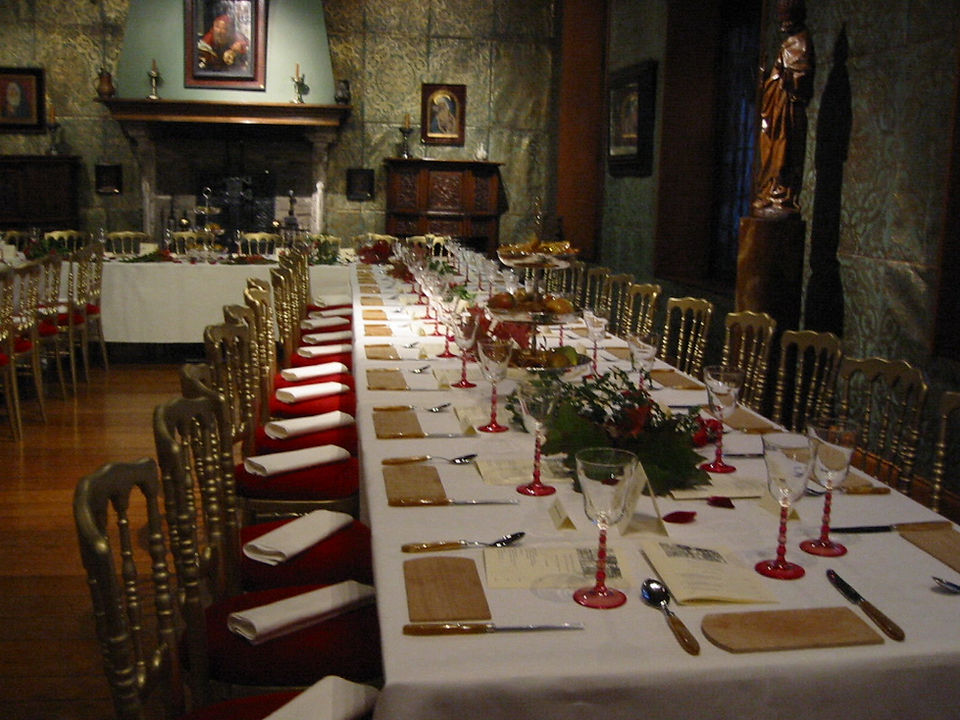
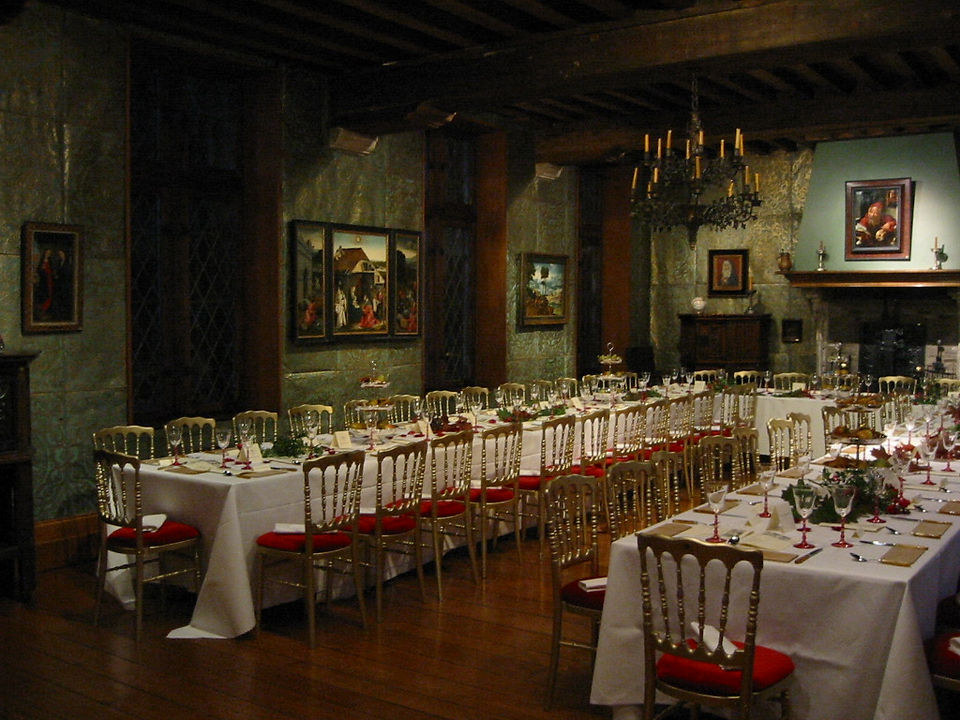
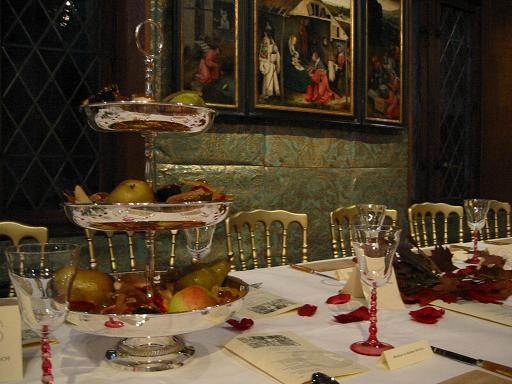
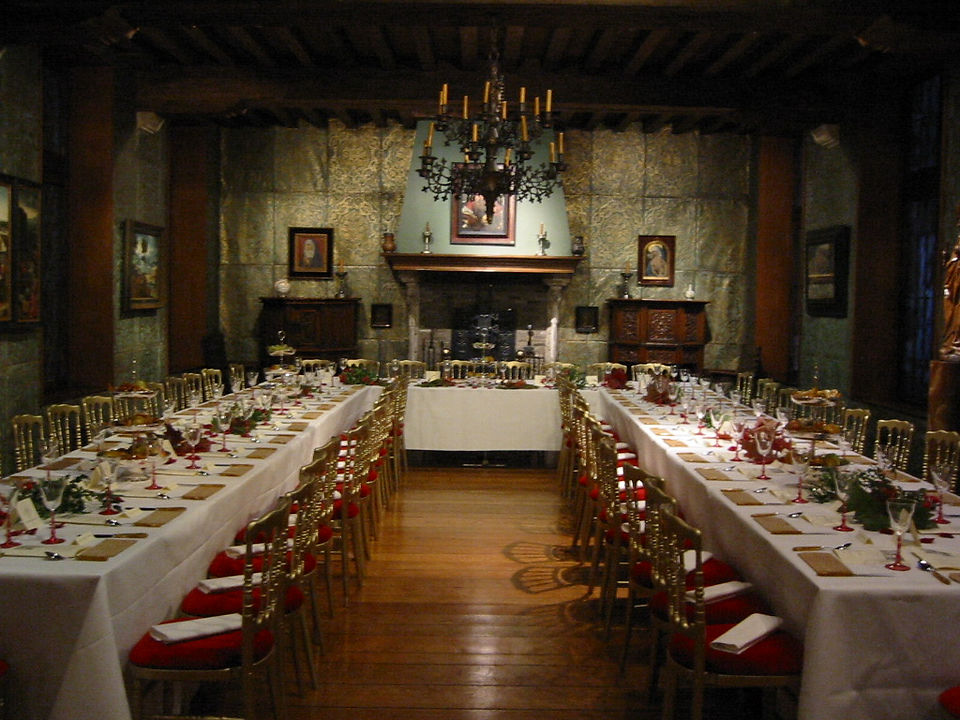
Platina describes a table strewn with flowers, scented burners and greenery covering the floor. White cloths, bread salt-cellars, small round loaves, individual trenchers, shared bowls, pewter, maiolica, ewers, jugs and cups make up the service.
Erasmus states that every guest has a knife. The spoon used for liquid dishes still passes from hand to hand and must be carefully wiped after every use — a custom far removed from our individual and highly sanitised world.